Welcome to the School of Natural Sciences
Natural Sciences are the fundamental sciences of the University of Tasmania, driving research and teaching at the undergraduate and Ph.D. levels, and helping to grow new industries for the State.
Our graduates become leaders in technical and scientific fields because of their mastery of the foundations of knowledge through theoretical and experimental training.
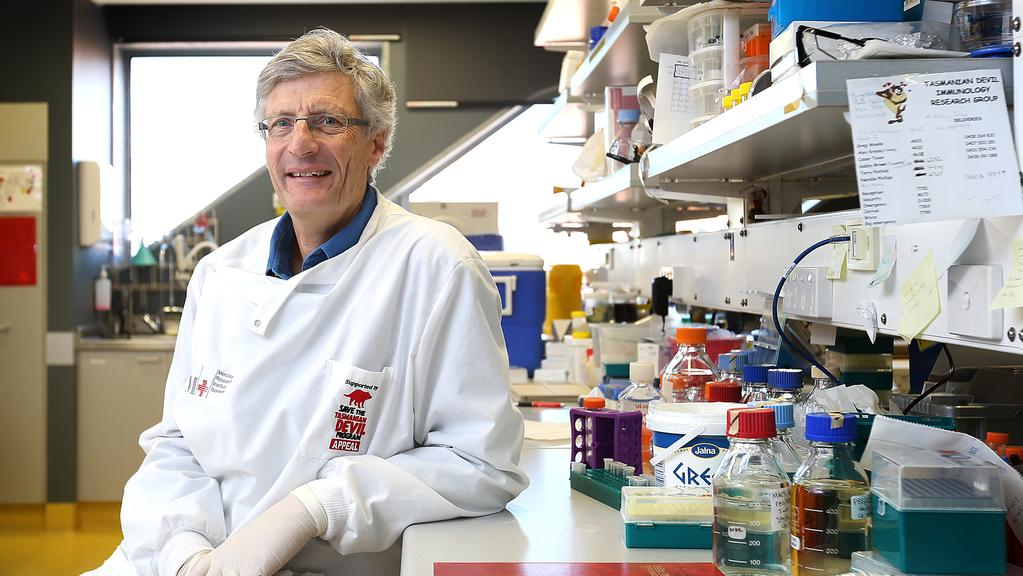
Physical sciences and Biological sciences staff and students work closely together with Mathematicians, and our colleagues in the Central Science Laboratory and across the College of Sciences and Engineering, to carry out world-class research in dozens of specialty areas.
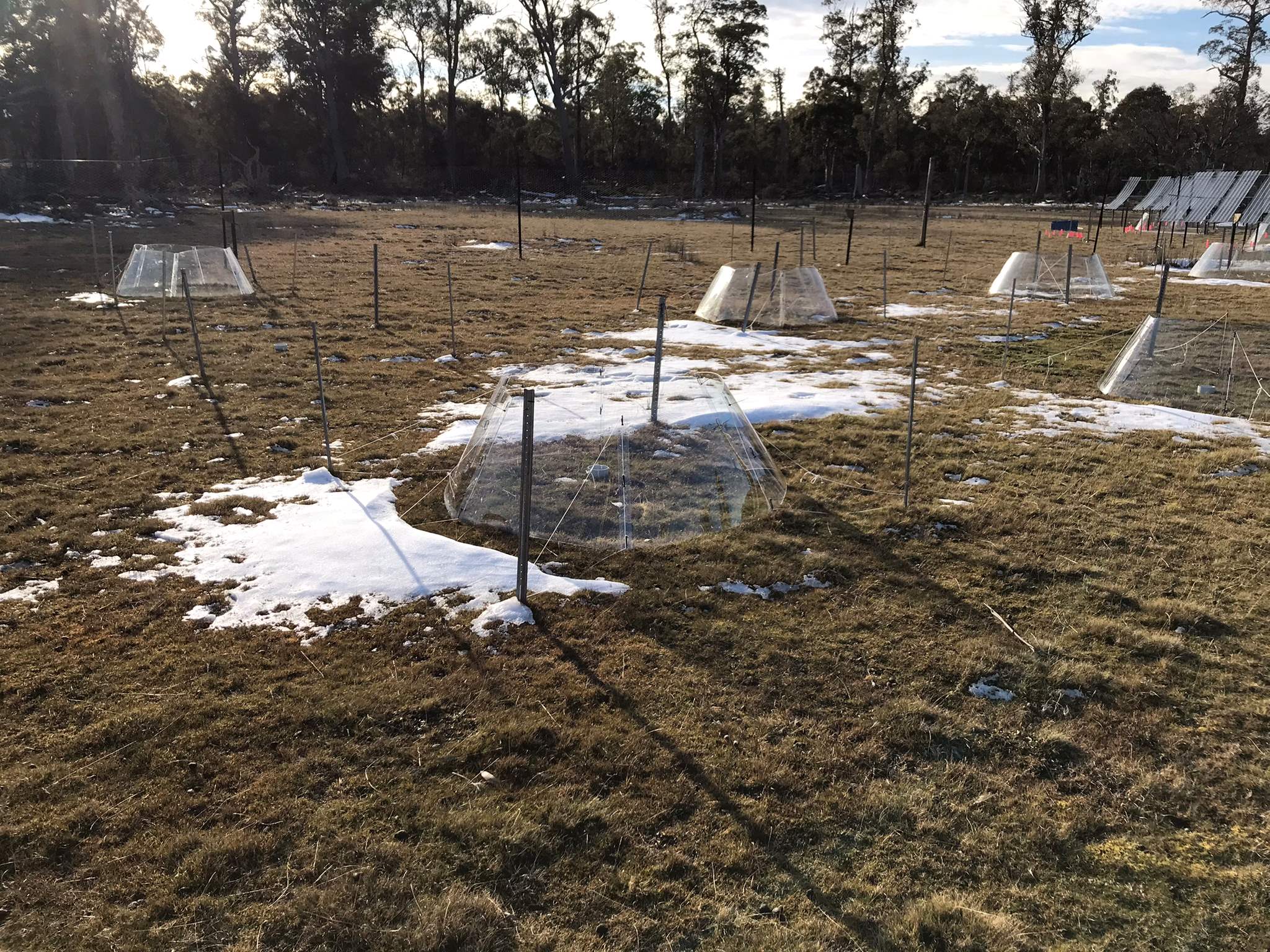
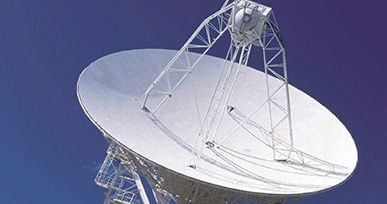
Our research infrastructure is some of the best in Australia, from the most powerful lasers to the most sensitive gas-chromatograph-mass-spectrometers, to the largest array of radio telescopes in the southern hemisphere. Our biology and geology students do field work in Tasmania’s unique natural environment, as well as at important sites in other states and around the world.
Science, technology, and mathematics are the future of Australia. The School of Natural Sciences trains the next generation of leaders in these fundamental subjects.
Our Disciplines


Research Institutes and Centres
Find out more about the research centres and institutes affiliated with the School of Natural Sciences.
News