
Welcome to the Centre for Rural Health website
The Centre for Rural Health (CRH) was established in 1997 under the Regional Health Strategy of the Australian Government. We aim to improve access for rural and remote communities to appropriate health services by encouraging students to pursue a career in rural practice and supporting health care professionals working in these areas.
The CRH is one of 15 University Departments of Rural Health established around Australia, and is linked to these other Departments through its membership of the Australian Rural Health Education Network (ARHEN).
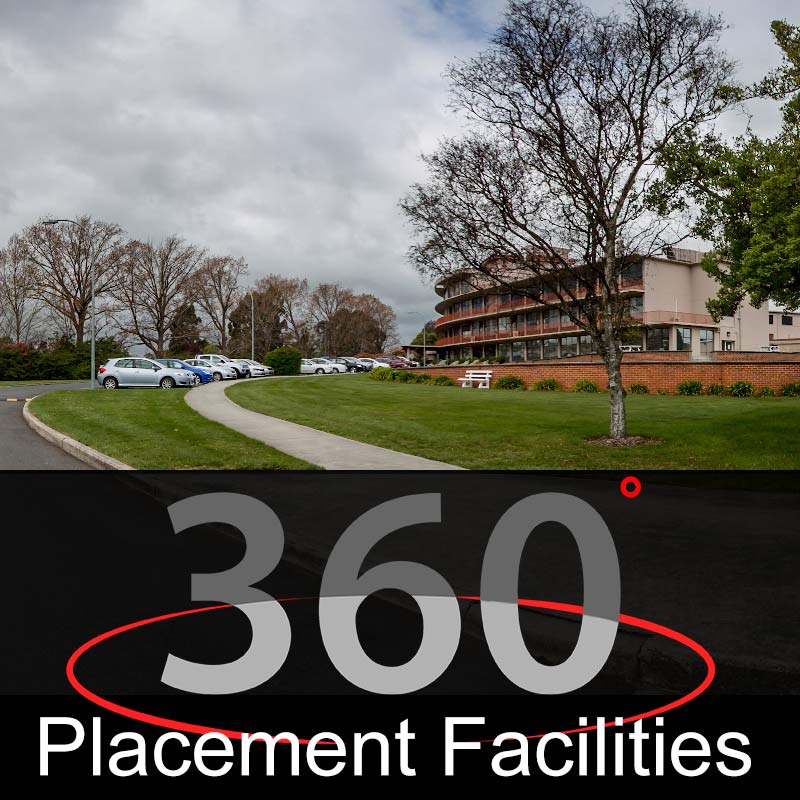
Virtual Tours

Research Theme Areas
Workforce Development
Rural health workforce development (including recruitment and retention strategies)
Training Strategies
Rural training strategies
Service Delivery Models
Innovative rural service delivery models to enable the provision of health services to meet community needs
Indigenous Health
Improving the health of Aboriginal and Torres Islander People
PhD Candidates
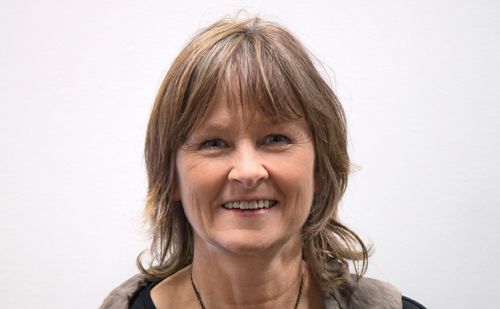
Lorraine Walker
As a health clinician, opportunities for interprofessional learning and practice have always been of interest. Facilitating clinical placements as part of her current and previous academic role and undertaking related projects has engendered an interest in the clinical learning environment, so it seemed like a natural fit to explore these two areas.

Melissa Kirschbaum
Melissa’s interest in drugs of addiction, which began with her honours research into opioid tolerance, was heightened by her daily involvement in the provision of opioid substitution therapy to drug addicts in community pharmacy. Melissa now has the opportunity to further explore her interest in drugs of addiction as a PhD candidate with the Centre for Rural Health.
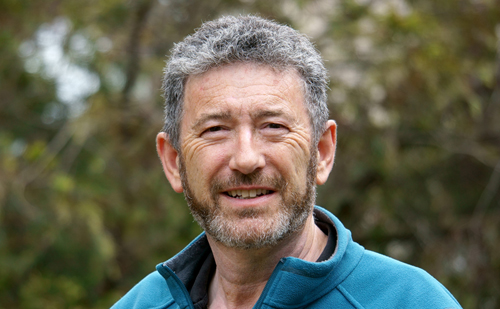
Peter Mulholland
Peter’s project "Inter-professional Learning in Paramedic Practice", investigates how and under the conditions which inter-professional learning occurs in paramedic practice.
