Explore our courses
Bachelor of Science
 3 years full-time, up to 7 years part-time
  Hobart, Launceston
3 years full-time, up to 7 years part-time Hobart, Launceston  CRICOS 002059J

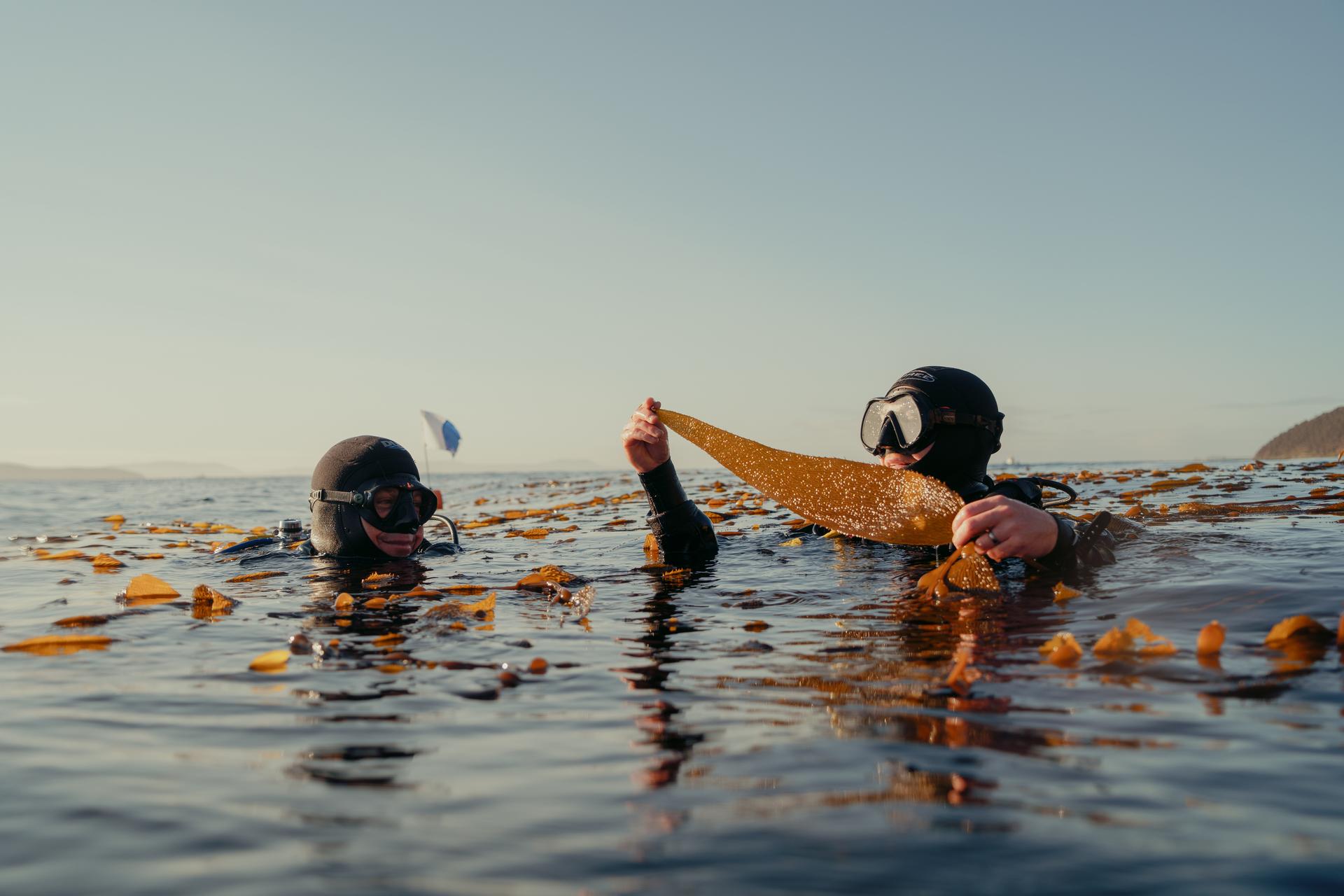
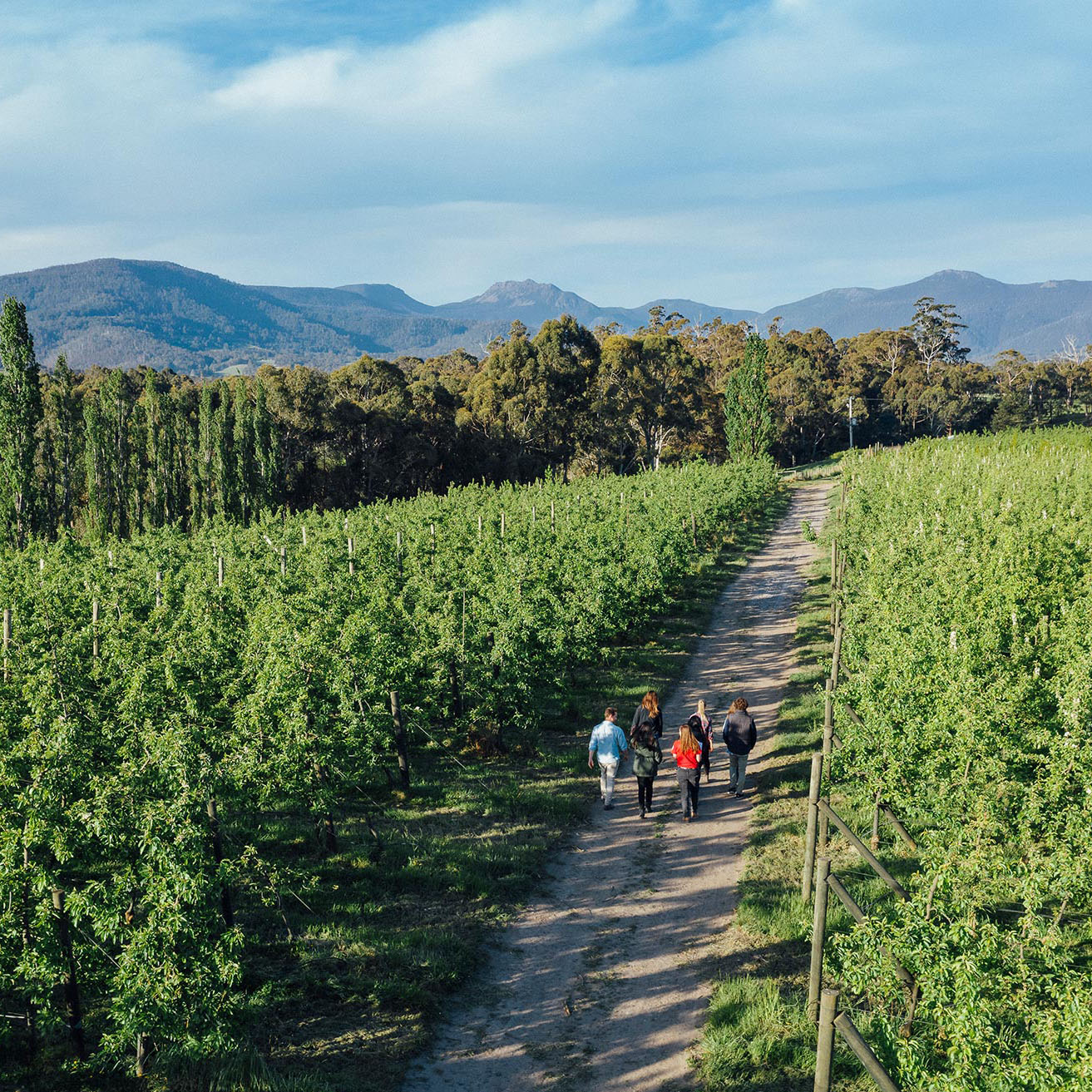
Our island is your campus
Immerse yourself in the pristine lands and marine ecosystems of Tasmania's living laboratory.

Specialist facilities and field equipment
Hands-on learning in specialist facilities used by our industry partners, like the CSIRO, SpaceX, and NASA

Go beyond the classroom
Experience summer research projects, field trips in natural and wild places, and more.
Study options in this degree
During your studies, you’ll choose an area that interests you, and then study a group of units related to that area. That group of units is called a major, and is an area of focus in your degree. Find out more at What is a Major?
Chemistry is the study of things at the molecular level. It allows for a deeper knowledge of the world around us, the development of methods to identify chemicals in our environment, and the creation of ways to make useful materials. You’ll learn analytical and synthetic chemistry, as well as areas related to biological and industrial chemistry. You’ll also receive a solid foundation to support specialist studies in pharmacy, biotechnology, biochemistry and microbiology.
Earth scientists look at volcanic eruptions and earthquakes, the generation of minerals, petroleum, and water in the Earth's crust, and are fundamental to understanding and fighting climate change. Learn about our dynamic planet through field trips, research experiences and access to Australia's best mineral analysis facilities right from day one.
Learn about the ways in which living things interact with their environment. You'll study climate, soil, flora, fauna and geology, and have many opportunities to do fieldwork. Our staff include Aboriginal Tasmanians who can give us a deep perspective of place and value that is important for managing our environment.
Gain skills in land-based environmental monitoring, as well as the chemistry behind industry and agriculture. Understand and plan the rehabilitation of degraded environments, such as mine sites, and help ensure businesses operate in a sustainable manner.
This major focuses on post-farm gate value adding (for example, fermentation science), as well as the quality of food products. It takes advantage of our close links with the thriving food industry sector in Tasmania. Graduate with practical skills in food analysis, production, new product development and processing technologies.
Understanding the interactions between environments, places, and societies is important to addressing climate change, economic inequality, biodiversity loss, resource scarcity and more. Your learning will take you outside the classroom and into the field. Graduates are able to work in a range of environmental and social professions.
This major combines Geographic Information Systems, Global Navigation Satellite Systems and remotely sensed data (satellites, drones, etc.) to solve real-world problems. These skills are highly relevant across disciplines such as Environmental Management, Geography, Geoscience, Computing and Information Systems, Biological Sciences, Agricultural Science, Marine Science and Antarctic Science.
Mathematics underpins all aspects of the natural and built worlds. It’s at the centre of fast-growing industries across the globe and is key to all technological innovation. Through industry partners such as NASA and Google, our graduates learn how to apply their skills to real problems.
From bacteria and viruses to fungi, single-celled animals and algae, microorganisms are fundamental to the cycles that underpin life on Earth. You’ll investigate infectious diseases, explore the production of foods and chemicals, and gain practical skills that are applicable around the world.
Explore how living organisms function from both a molecular and cellular perspective. Focus on the role these molecules have in health and disease, and cover issues that are globally relevant. You’ll apply your knowledge and skills to real-world problems in collaboration with business, natural science, and medicine.
Physics is the foundation of engineering and technology, providing a basis for understanding biology, chemistry, geology and biomedical sciences. You’ll work alongside global industry partners like the Australian Antarctic Division, NASA and CSIRO.
Investigate all aspects of plants and their impact on human life. You’ll study how plants function and develop, and how they’ve evolved through time. With pristine ecosystems accessible directly from campus, we offer not only unparalleled access but also a distinctive breadth and depth of flora and fauna to give you a truly holistic education.
This major was developed after industry consultation and responds to industry’s need for work-ready graduates with the capacity to respond to local opportunities and challenges within diverse industry sectors. This is a complementary major in that it supports your primary area of study. If you wish to study this major, you will need to also choose another in your study plan.
The interpretation and application of data is an important science. Our research and industry connections will connect your studies to real-world applications. Your lecturers bring examples from live projects such as improving patient flow through hospitals, implementing maintenance schedules for infrastructure – even using machine learning to identify bird species from bush recordings.
Gain skills and techniques to help create sustainable societies. Informed by international and local research, practice and theory, this major allows you to develop specialist expertise across the physical and social sciences and humanities. You’ll learn to identify sustainability-oriented impacts of decisions, as well as come up with effective solutions.
While you can choose to focus your Bachelor of Science on the Sustainability major, it also provides fantastic complementary skills with combined with another of the majors available in this degree.
It is also a great option to combine with a variety of other study areas including with economics, arts, agricultural science, and ICT.
Zoology looks at the relationships between the structure and function in animals, and how these traits evolved over time. There is no better place to immerse yourself in the study of animals than Tasmania’s living laboratory. We offer unparalleled access to our distinctive range of ecosystems, flora and fauna, coastal landscapes, and the Southern Ocean.
Combined study options
Fast track your studies and become a fully qualified teacher while studying for a Bachelor of Science. The University of Tasmania is one of few universities in Australia that offer a double degree combing a Bachelor of Science with a Master of Teaching. This course will accelerate your career allowing you to graduate with two degrees in just 4-years.
Learn more about the Bachelor of Science and Master of Teaching
The Bachelor of Science combines with a wide range of courses like Law, Music, Economics, and many more. Studying a double degree, you can deepen your knowledge and expertise within two separate study areas. It's also your chance to pursue a career and follow your passion at the same time. Learn more about Double Degrees.
Further study options
For honours course information, please visit the Bachelor of Science with Honours.
Find out more about what you'll study, entry requirements, fees and scholarships - and to apply.
Associate Degree in Applied Science
2 years full-time, up to 5 years part-time Hobart, Launceston, Cradle Coast
2 years full-time Hobart, Launceston CRICOS 099493M

Commonwealth Supported Places available
Study with tuition fees subsidised by the Australian Government
Practical learning designed for industry
Specialise your learning in Fermentation and Separation, or Sustainable Aquaculture and visit thriving local businesses like Huon Aquaculture, 41 South, and Lion Cheese.
Work placement for every student
All students conduct a work placement with local businesses during their studies, growing local networks.
Study options in this degree
A major is an area of focus in your degree. During your studies, you’ll choose an area that interests you, and then study a group of units related to that area. Find out more at What is a Major?
If you love the idea of practical science and innovative industries, the Fermentation and Separation stream is for you. Use science to build a career in the food and beverage industry like creating tasty brews, as markets see a growing taste for microbreweries and more interesting flavours.
This study option is perfect for you if you love beer, wine, cider or fermented food like sauerkraut and cheese and want to move into a career in the food and beverage industry.
Find out more about what you'll study, entry requirements, fees and scholarships - and to apply.
Undergraduate Certificate in Science
0.5 years full-time, up to 1 year part-time Hobart, Launceston, Cradle Coast, Online
This course may not be available to international students. Please see our international page for courses that are offered to international students.
Commonwealth Supported Places available
Study with tuition fees subsidised by the Australian Government

Developed in consultation with industry
Gain job-ready knowledge and skills from the experiences of established Tasmanian industry experts.

Your first step towards further study
Continue your studies in the Bachelor of Science with full credit for units completed in your certificate.
Your introduction to the nature and role of science in society
In this course, you’ll examine what science is, the importance of science for sustainable development, and learn about the role of ethical conduct in scientific endeavour.
You’ll explore keys topics in biology, such as metabolism, growth and production, sensing and response, and adaption and evolution, and have the opportunity to apply your knowledge in practical laboratory experiences. You will also learn how to collect and analyse scientific data and statistics, and be introduced to data management software where you’ll learn how to present and communicate statistical information effectively.
Find out more about what you'll study, entry requirements, fees and scholarships - and to apply.
Career opportunities
Science gives you the opportunity to focus on one or more study areas, with career options typically falling into three main categories:
- Specialist application of knowledge
Careers include geologists, marine biologists, plant scientists, forensic scientists, meteorologists and more. - Broad application of knowledge
In careers such as bio-security, STEM teachers and environmental policy advisors, a broad understanding of science is essential. - Generalist core skills
Careers using core skills obtained during your degree include public relations and marketing, as well as government and local council roles.
12.5%
Environmental Scientist roles
Projected increase by 2024^
14.7%
Professional, scientific and technical service roles
Projected increase by 2024^
16.5%
Market research and statistical service roles
Projected increase by 2024^
^ ABS Labour Force Survey, National Skills Commission trend data to May 2019 and projections to 2024.